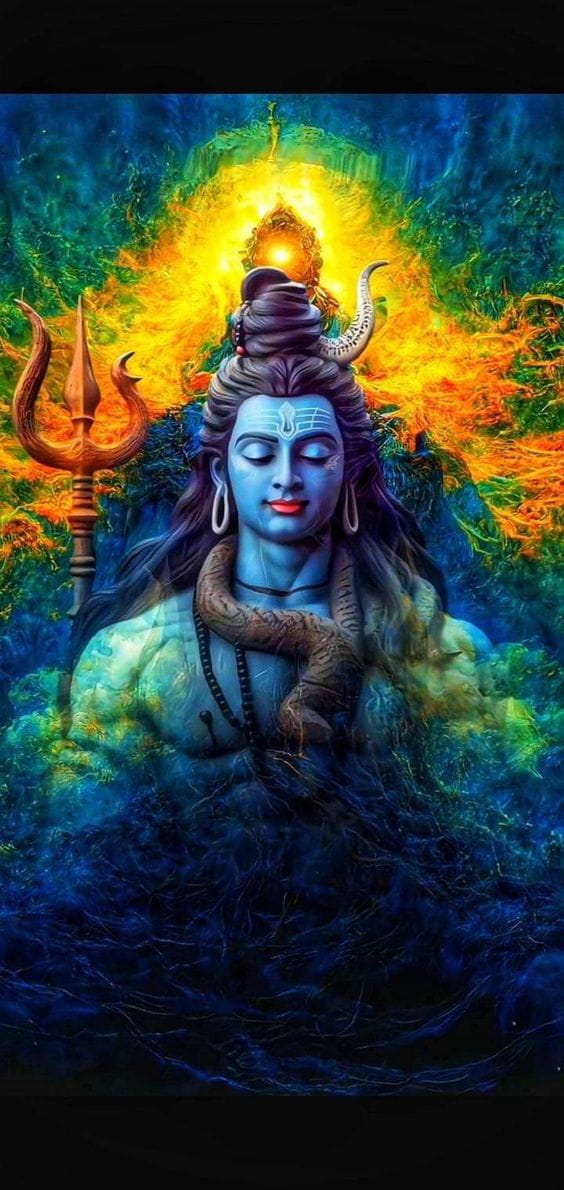
Kovilpalayam Kalakaleswarar Temple
No scriptKovilpalayam Kalakaleswarar Temple: The Divine Abode of Time and Transformation
Kovilpalayam Kalakaleswarar Temple is a revered Hindu shrine located in Kovilpalayam, a suburb of Coimbatore, Tamil Nadu. Dedicated to Lord Shiva in the form of Kalakaleswarar-the Lord who governs time-it holds immense spiritual and mythological significance for devotees seeking divine grace, protection, and liberation.
Overview
The Kalakaleswarar Temple is one of the ancient temples of Tamil Nadu that embodies the concept of time (Kaalam) under Lord Shiva’s control. The temple’s serene environment and deep-rooted legends make it a sacred pilgrimage site for spiritual seekers and Shiva devotees.
Location
The temple is situated in Kovilpalayam, on the banks of the Kousika river, off the Coimbatore-Sathyamangalam road (NH 948). Published distances vary from about 17 to 25 km depending on where in the city you start - allow 40 to 60 minutes by road from Gandhipuram. It is easily accessible via buses, autos, and private vehicles; direct town buses run from Coimbatore to Kovilpalayam. The same village is home to the Kavaiya Kaliamman temple, so many devotees visit both.
The Legend of Kalakaleswarar Temple
According to Hindu mythology:
- Markandeya’s Devotion: Sage Markandeya, an ardent devotee of Lord Shiva, was destined to die at a young age as per the decree of Lord Yama, the god of death. When Yama arrived to take his life, Markandeya clung to a Shiva Linga and prayed for divine protection.
- Yama’s Curse and Redemption: In his attempt to seize Markandeya, Yama cast his Pasa Kayiru (noose), which accidentally fell on the Shiva Linga. Enraged by this act, Lord Shiva emerged from the Linga in a fierce form and struck Yama with his trident, rendering his power to take lives ineffective. Realizing his mistake, Yama begged for forgiveness. Lord Shiva, in his boundless compassion, restored Yama’s powers but instructed him to worship all Shiva Lingas on earth, especially the one at Koushika Puri (present-day Kovilpalayam).
- Emergence of the Linga: When Yama arrived at Kovilpalayam, he could not find a Linga for worship. He struck the ground with his dhandayudham (staff weapon), and from that spot emerged a self-manifested Linga, now worshipped as Kalakaleswarar.
- Nurai Manal Form: The Linga appeared in a natural form known as “Nurai Manal” (foamy sand stone), believed to possess divine vibrations and spiritual power. Because the Linga is described as formed of foam, abhishekam here is traditionally not done with ghee or curd.
- Koushikapuri: The old name Koushikapuri and the Kousika river recall Sage Viswamitra, who was also called Kaushika; temple tradition says he installed the Linga worshipped here.
This legend signifies the victory of devotion over death and the divine compassion of Lord Shiva in protecting his devotees from the cycle of time and mortality.
Architecture and Design
- Temple Structure: Built in the traditional Dravidian style, the temple features a beautifully sculpted gopuram (gateway tower), intricately carved pillars, and spacious mandapams (halls) that reflect Tamil Nadu’s architectural brilliance.
- Main Deity: The presiding deity, Lord Kalakaleswarar, represents the eternal aspect of time, creation, and dissolution. His consort, Goddess Karpagavalli Amman, symbolizes grace, prosperity, and divine compassion.
Religious Significance
- Lord Shiva as Kalakaleswarar: Worshipping Lord Kalakaleswarar is believed to remove the ill effects of planetary time cycles (Kaaladosham) and bestow long life, peace, and spiritual wisdom.
- Spiritual Importance: Devotees visit the temple to seek protection from untimely death, overcome fear, and gain relief from life’s karmic burdens.
- Milestone Weddings: Because the Lord here is the conqueror of time and death, families come to celebrate long-life milestones such as the 60th (Shashtiabdapoorthi), 70th and 80th birthday wedding ceremonies, much as they do at Thirukadaiyur.
Festivals and Celebrations
- Maha Shivaratri: The most prominent festival, celebrated with all-night prayers, abhishekams (holy bathing of the deity), and devotional music. Thousands of devotees gather to seek Shiva’s blessings for health and liberation.
- Arudra Darshanam: Celebrating the cosmic dance of Lord Shiva, the temple is adorned with lamps, flowers, and rituals highlighting Shiva’s divine energy.
- Navaratri and Thaipusam: Other major festivals featuring processions, bhajans, and cultural performances that strengthen the temple’s community spirit.
Rituals and Worship
- Daily Pujas: Regular rituals include abhishekam with milk, honey, and sandalwood, followed by deeparadhana (lamp worship) and Vedic recitations.
- Special Offerings: Devotees offer bilva leaves, lotus flowers, and vibhuti (holy ash) to seek Lord Kalakaleswarar’s blessings for overcoming hardships and fulfilling desires.
Cultural Heritage
- Ancient Legacy: The temple is a living testament to Tamil Nadu’s spiritual traditions and stands as a heritage site preserving ancient Shaivite customs and practices.
- Community Role: Beyond being a place of worship, the temple serves as a center for cultural gatherings, spiritual discourses, and charitable activities.
Visitor Experience
- Darshan: The sight of Lord Kalakaleswarar radiates a sense of calm and divine power, providing solace to devotees and visitors alike.
- Spiritual Ambiance: The rhythmic chants of “Om Namah Shivaya,” the ringing temple bells, and the aroma of incense create a deeply spiritual and meditative atmosphere.
Timings
Visitor listings give 6:00 AM to 12:30 PM and 4:00 PM to about 8:00 PM (some list 7:30 PM, others 8:30 PM for closing). There is no entry fee. As of September 2026 - check locally before you go, especially on festival days.
If you enjoy old Shiva temples around the city, the Perur Pateeswarar Temple on the other side of Coimbatore is another important shrine connected with long-standing Shaiva traditions.
Facilities and Amenities
- Prasad Distribution: Devotees receive sacred prasad (offering) symbolizing Lord Shiva’s grace and blessings.
- Accessibility: The temple provides ample parking and rest areas for visitors and ensures accessibility for elderly and differently-abled devotees.
Conservation Efforts
- Preservation: Temple authorities actively maintain the temple’s architecture, murals, and sculptures through restoration projects to preserve its historic and cultural value.
Visit the Kovilpalayam Kalakaleswarar Temple to immerse yourself in its divine aura, experience Lord Shiva’s timeless energy, and partake in the rich spiritual and cultural heritage of Tamil Nadu.
Frequently Asked Questions (FAQ)
Where is Kalakaleswarar temple?
In Kovilpalayam, on the banks of the Kousika river, off the Coimbatore-Sathyamangalam road (NH 948), north-east of Coimbatore city.
What are Kovilpalayam Kalakaleswarar temple timings?
Listings give 6 AM to 12:30 PM and 4 PM to about 8 PM (as of September 2026). Check locally before you go.
What is special about Kalakaleswarar?
Legend says Yama worshipped Shiva here after the Markandeya episode, and the Linga emerged when he struck the ground. The Linga is described as formed of foam (nurai), so ghee and curd are traditionally not used for abhishekam.
Can we do a 60th wedding at Kalakaleswarar temple?
Yes. As a temple of the Lord who conquered time and death, it is a popular place for 60th, 70th and 80th milestone wedding ceremonies. Contact the temple office in advance.